
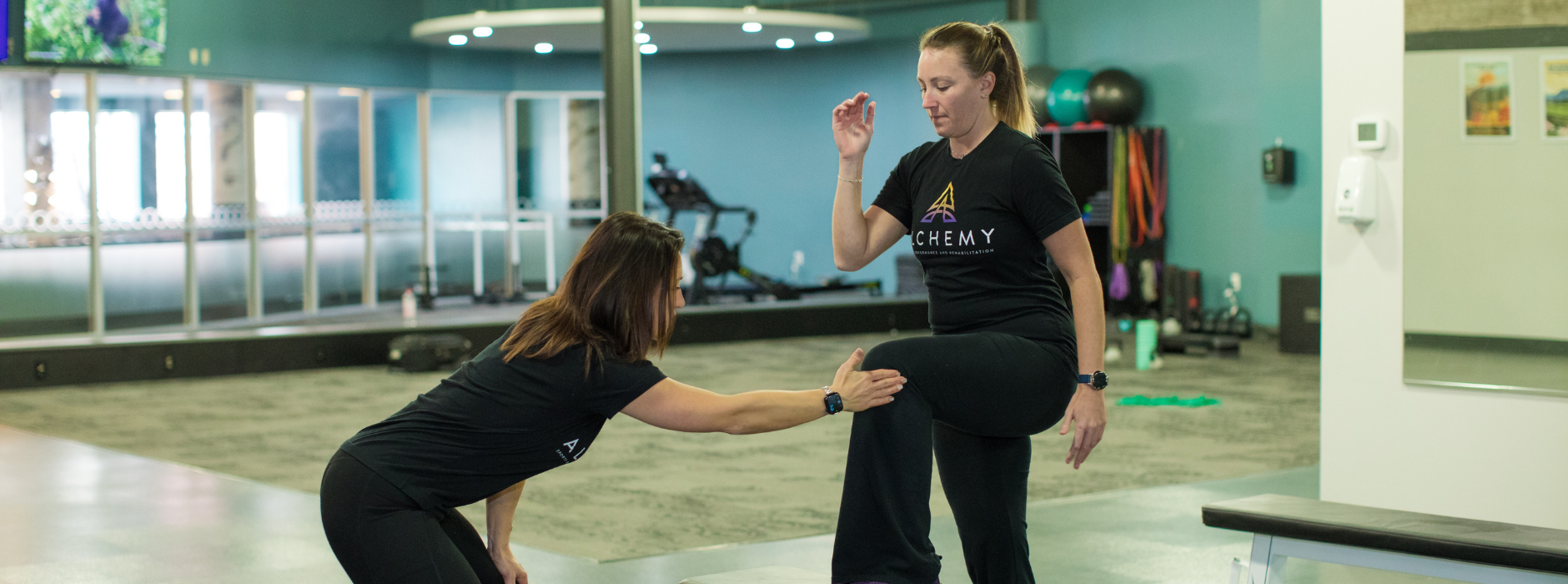
Running Injury Rehab in Roanoke, VA
Running should feel effortless, but when pain develops — whether from shin splints, runner’s knee, IT band irritation, Achilles tendon pain, hip pain, lower back pain, or foot pain — you need comprehensive running injury treatment and physical therapy that gets to the root cause.
At Alchemy Sports Performance and Rehabilitation, we help runners understand why the problem started, address the root cause, and rebuild the strength and mechanics needed to run pain free again.
Where the Injury Hits
Pain around the knee, hip, ankle, or foot
Tightness or irritation along tendons (Achilles, patellar, IT band)
Soreness or tenderness along muscles used in stride
Stiffness in joints that should move freely during running
Inflammation around overworked tissues
Reduced range of motion in one or more legs
Compensation patterns shifting stress to other areas
How it Holds You Back
Stride feels off, uneven, or painful
Harder to hold pace — even on easy runs
Power drops during push-off or hill work
Slower recovery between training sessions
Reduced confidence in your movement
Increased fatigue because other muscles are “doing the job”
You avoid certain workouts (speed, long runs, hills)
Risk of the injury becoming chronic or recurring
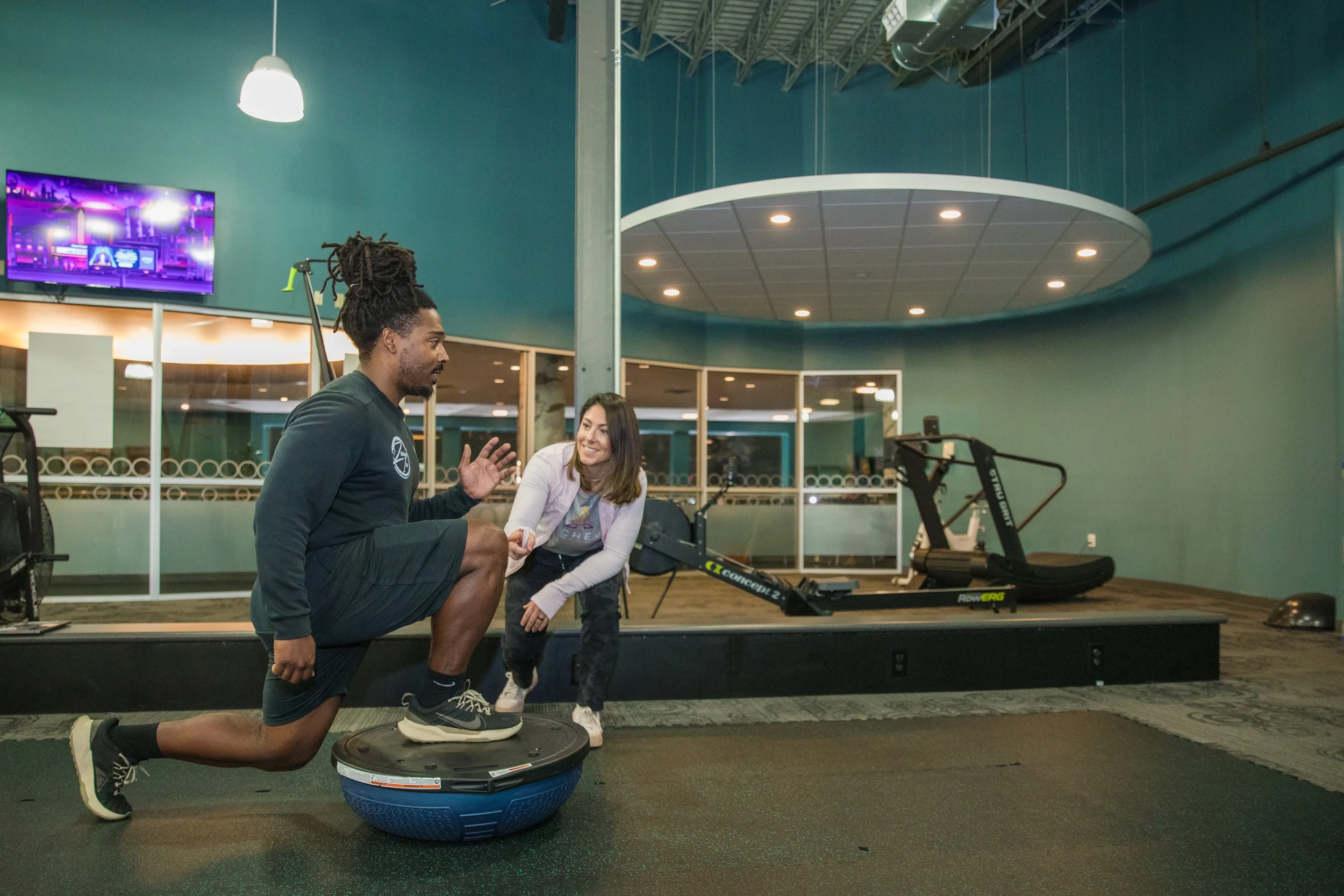
How We Treat Running Injuries
Running injuries rarely come from just one thing — it’s usually a mix of overloaded tissues, mobility restrictions, and little breakdowns in running mechanics that add up over time. Our job is to figure out the real source of the problem, calm the irritation down, and then rebuild the strength and control your body needs to handle the miles again. Every plan we create is customized to your running goals, training schedule, and the exact demands of your sport.
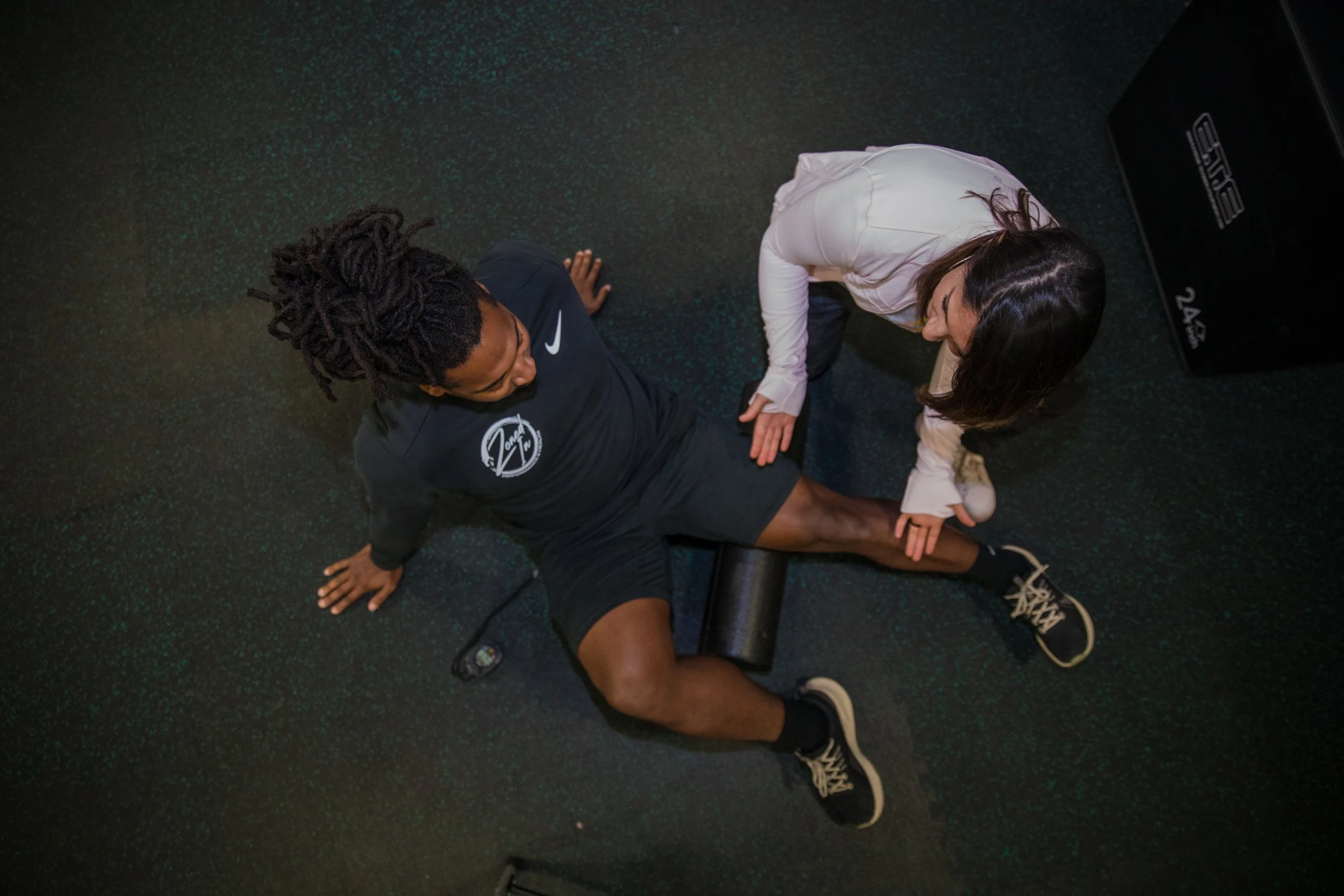
Hands-on work
Movement assessment
Strength training
Form and technique coaching
Progressive loading plans
Return-to-run programming
Injury-prevention strategies

FAQs About Running Injury Rehab
-
Recovery time depends on the type and severity of the injury, but most athletes start feeling noticeable improvement within a few weeks. What matters most is consistent rehab and a plan that rebuilds strength and movement at the right pace.
-
Often, yes — and we actually want you to stay active when it’s safe. We’ll help you understand what movements are okay, what needs to be modified, and what should be avoided for now. The goal isn’t to shut you down; it’s to find the best way to keep you moving while your body heals.
-
Most athletes see the best results with 1–2 sessions per week at the beginning of rehab. The exact frequency depends on your goals, the injury, and how your body responds, but we’ll map all of that out together on day one.

What to Expect During a Session
When you’re dealing with pain, it’s easy to feel like you’re losing momentum. But you don’t have to figure this out alone. With the right plan, the right coaching, and a rehab process built around your goals, you can get back to training stronger and more confident than before. If you’re ready to take the first step toward pain-free performance, we’re here and ready to help. Let’s get you moving again.