
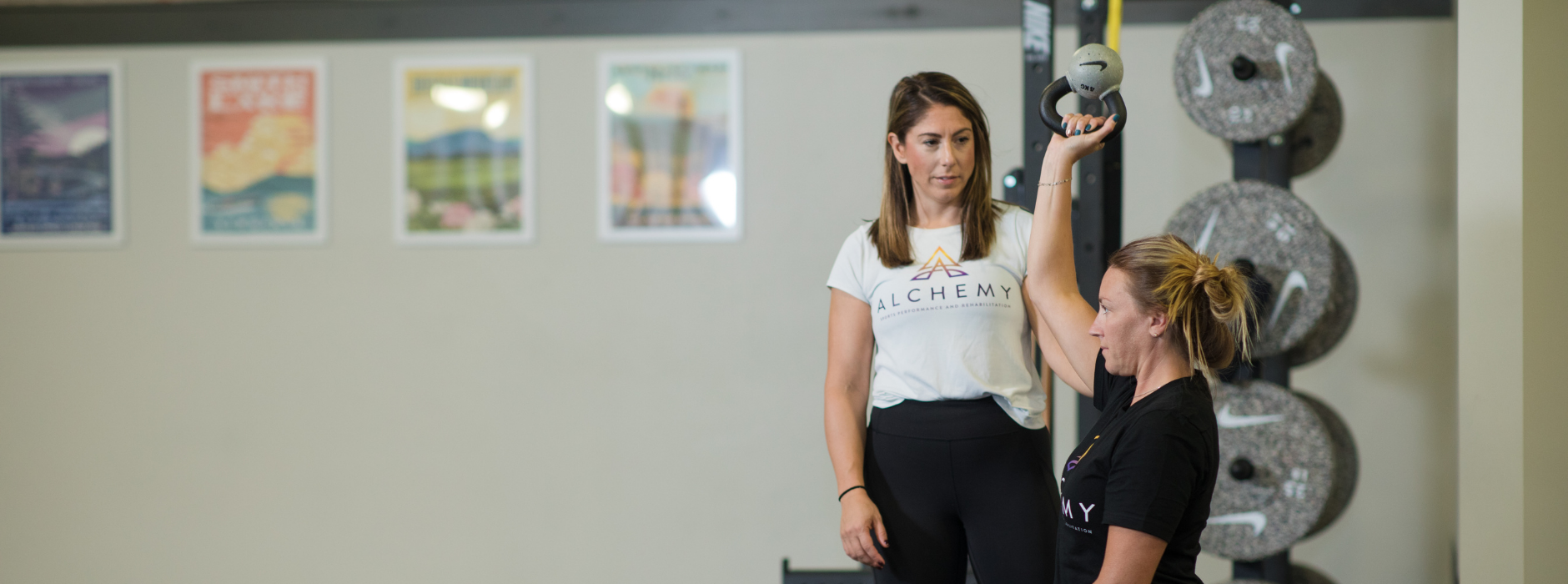
Weightlifting Injury Rehab in Roanoke, VA
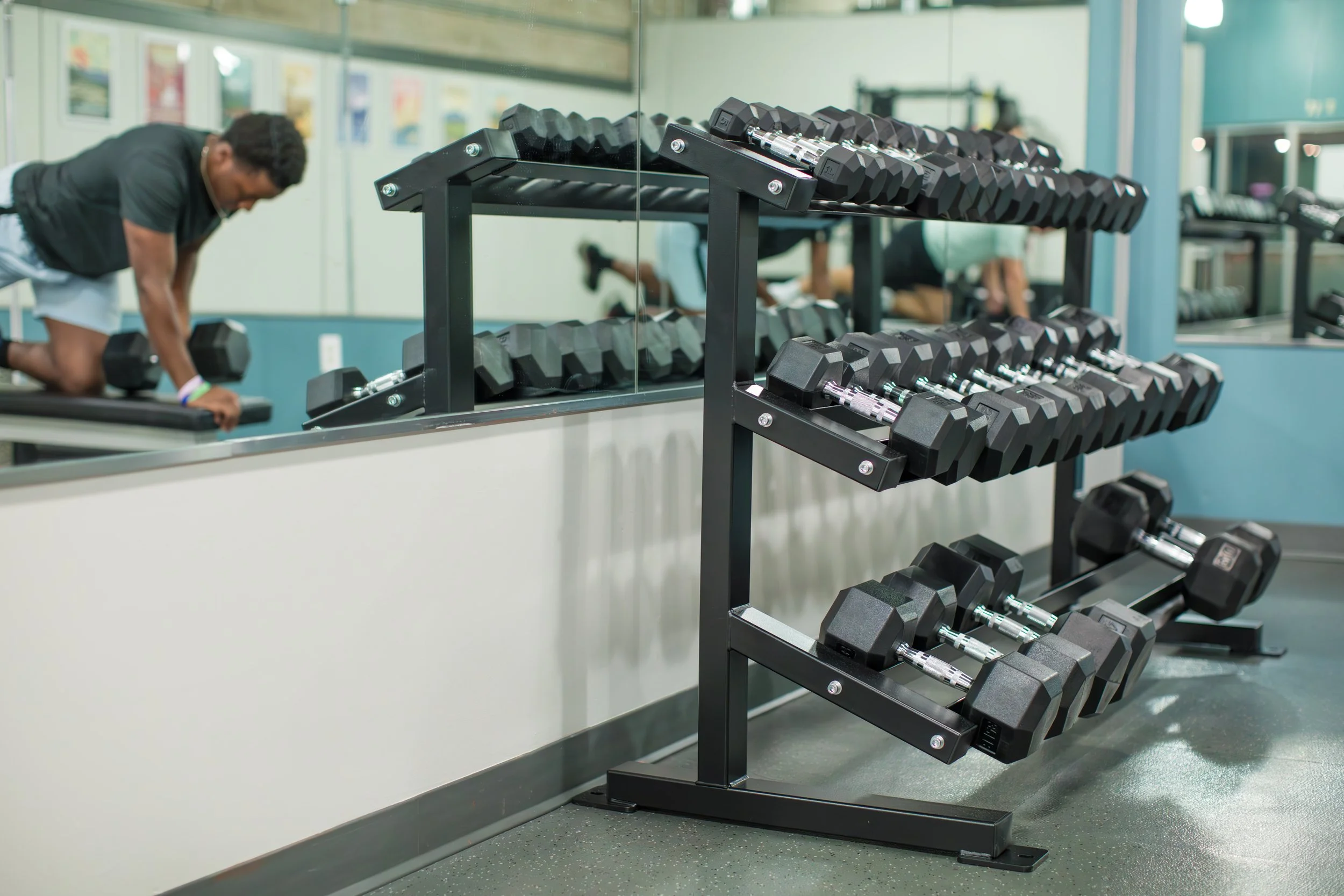
Low back pain from lifting, shoulder breakdowns, knee pain, and muscle strains are some of the most common reasons lifters get stuck on the sideline. At Alchemy Sports Performance and Rehabilitation, we specialize in weightlifting injury rehab that finds the root cause of what went wrong, restores how your body moves under load, and builds the strength and mechanics to keep you training hard long term. Whether you are dealing with a sudden powerlifting injury or something that crept up after months of heavy training, we will help you get back under the bar feeling better than before.
Where the Injury Hits
Low back pain, including disc-related pain, muscle strain, and SI joint irritation from squats, deadlifts, and overhead work
Shoulder pain caused by rotator cuff irritation, AC joint stress, or labral strain from pressing, overhead lifting, or heavy pulling movements
Elbow pain, including lateral and medial epicondyle irritation from curls, tricep work, and gripping under load
Wrist pain driven by compression, tendon strain, or joint irritation during front rack positions, cleans, snatches, or heavy pressing
Knee pain from squatting or lunging patterns, including patellar tendinopathy, IT band irritation, and meniscus stress
Muscle strain in the hamstrings, hip flexors, pecs, or lats from high-effort training loads or poor movement mechanics
How it Holds You Back
You skip key movements in your program or substitute lighter variations to avoid aggravating the pain
Training sessions become mentally exhausting because you are constantly managing discomfort instead of focusing on performance
Progress stalls because you cannot load movements the way your program requires
The pain follows you out of the gym, showing up during daily movements such as sitting, standing, reaching, driving, and sleeping
You second-guess your form on every rep, which kills confidence and increases the risk of compensation injuries
You try to train through the pain and the problem gradually gets worse over the following weeks
How We Treat Weightlifting-Related Injuries
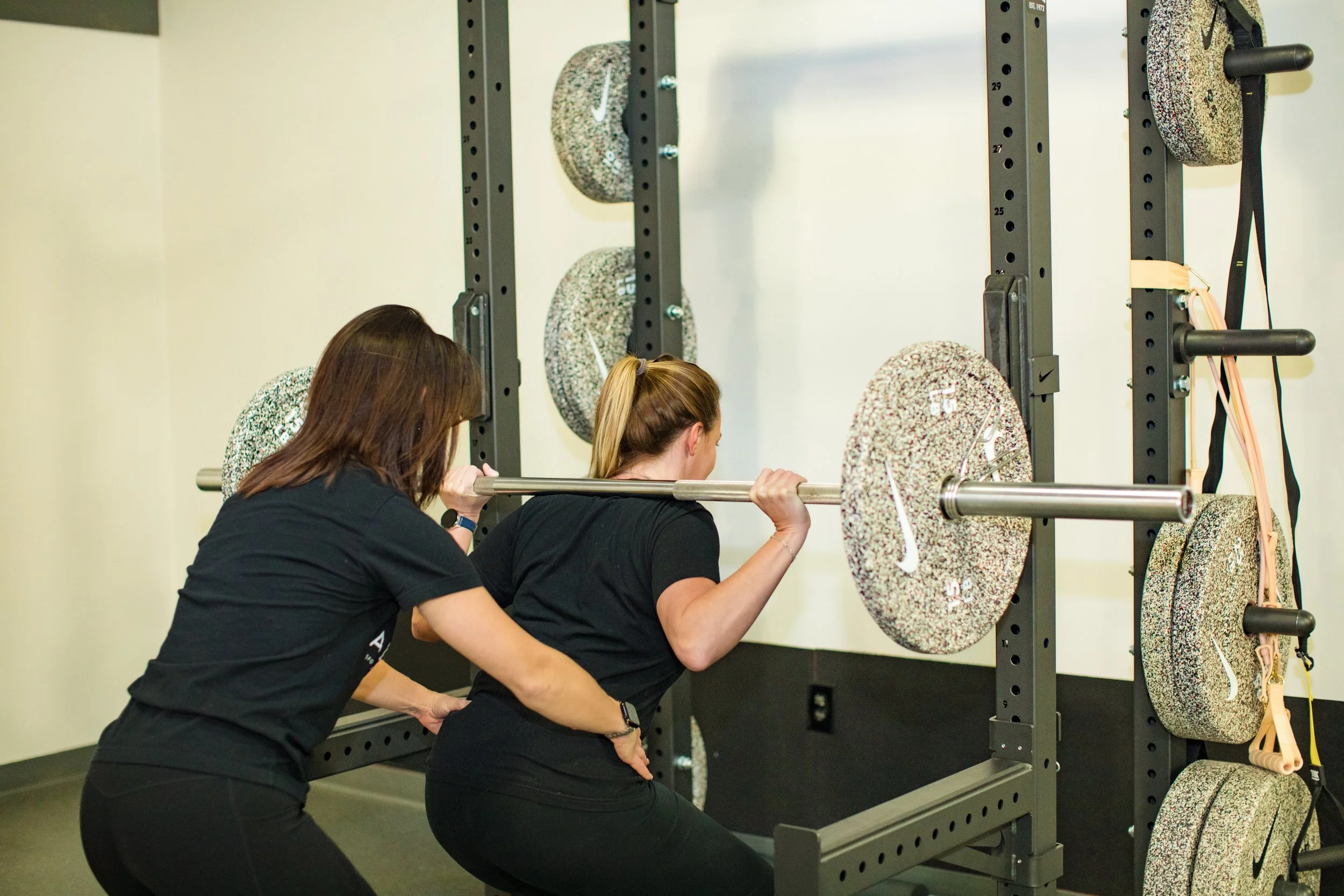
Lifting injuries rarely happen because of one bad rep. They build over time through accumulated stress on tissue that isn't moving well, loading patterns that place too much demand on a structure that isn't ready, or strength imbalances that force the wrong muscles to compensate. At Alchemy, we assess how your body moves under load, address what's driving the pain, and rebuild the mechanics and resilience your training demands. Every plan is built around your specific lifts, your program, and what your body needs to perform at a high level without breaking down.
Movement and load assessment
Hands-on manual therapy
Strength and muscle imbalance correction
Lifting-specific rehabilitation
Tendon and muscle strain rehab
Low back pain rehab
Return-to-lifting programming

FAQs About Weightlifting Injury Rehab
-
In most cases, no. Complete rest is rarely the best approach for lifting injuries. The goal is to identify which movements are aggravating the injury, modify your training around them, and continue building strength in ways that support your recovery. Staying active and loading tissue appropriately almost always leads to faster, more complete recovery than stopping altogether.
-
Recovery timelines vary depending on the injury type, how long it has been present, and how your body responds to treatment. Many lifters see meaningful improvement within four to eight weeks of focused rehab. More complex injuries or those that have been present for months may take longer, but most people are back to full training with a structured plan in place well before they expect to be.
-
Yes. Low back pain from lifting is one of the most common issues we treat and one of the most responsive to physical therapy when the root cause is properly identified. Whether the pain is coming from a disc issue, muscle strain, hip mobility restriction, or a mechanics problem in your squat or deadlift pattern, targeted rehab addresses the source rather than just managing the symptoms.
What to Expect During a Session
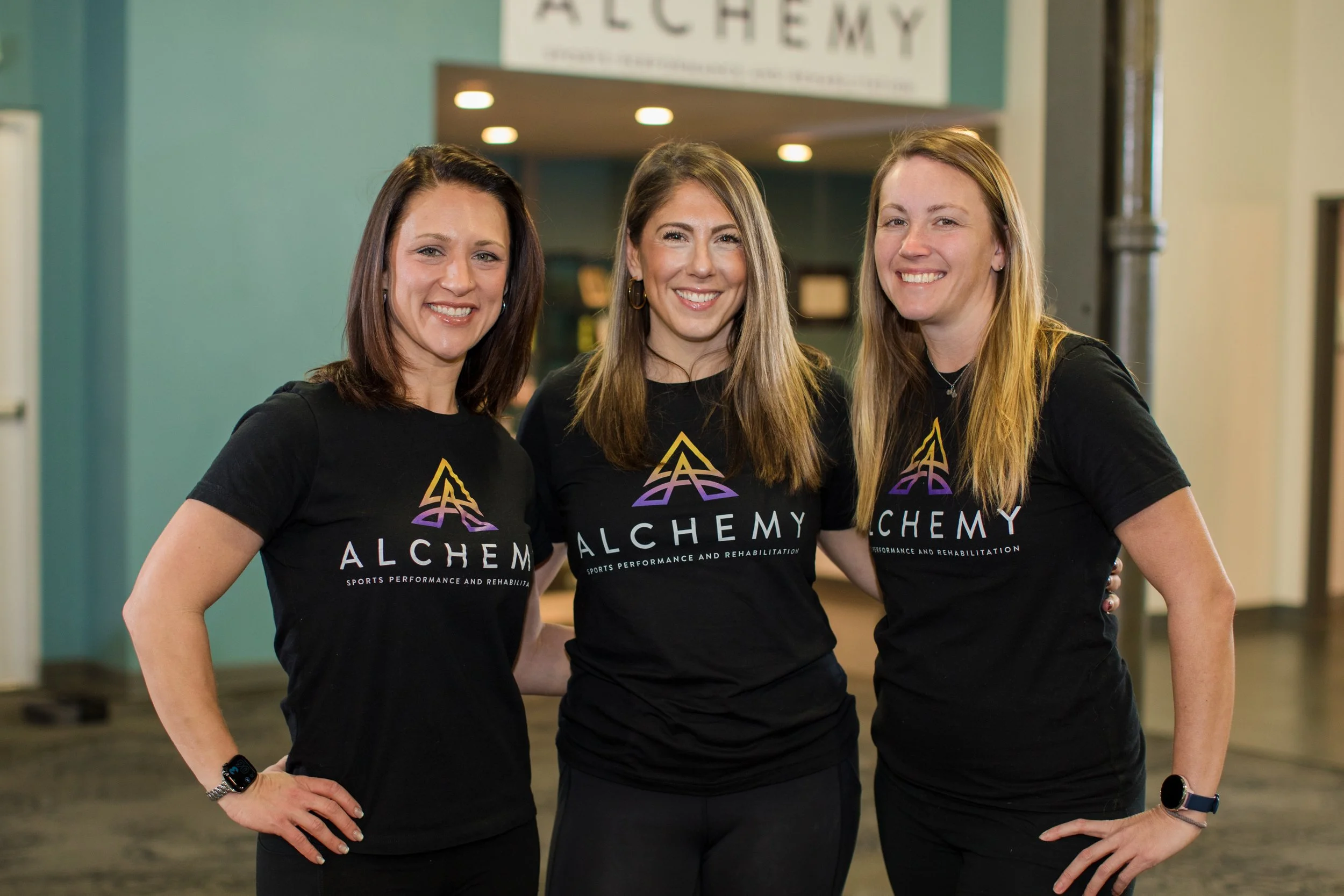
When you come in, we start by assessing how your body moves through the specific patterns that are causing problems, looking at mobility, strength, mechanics, and where tissue stress is being created. From there, we build a weightlifting injury rehab plan that fits your training schedule and your goals, combining hands-on care with targeted strength work and progressive loading designed around the lifts that matter to you. As you improve, sessions shift toward heavier loading, more complex movement patterns, and a clear return-to-training timeline so you know exactly where you are headed. If you are ready to stop guessing and start getting back to the training you love, Alchemy is ready to help you get there.